

The UK’s National Health Service (NHS) provides patient services across multiple domains. Examples include:
- england.nhs.uk
- nhs.uk
- nhsapp.service.nhs.uk
- access.login.nhs.uk
- gp-registration.nhs.uk
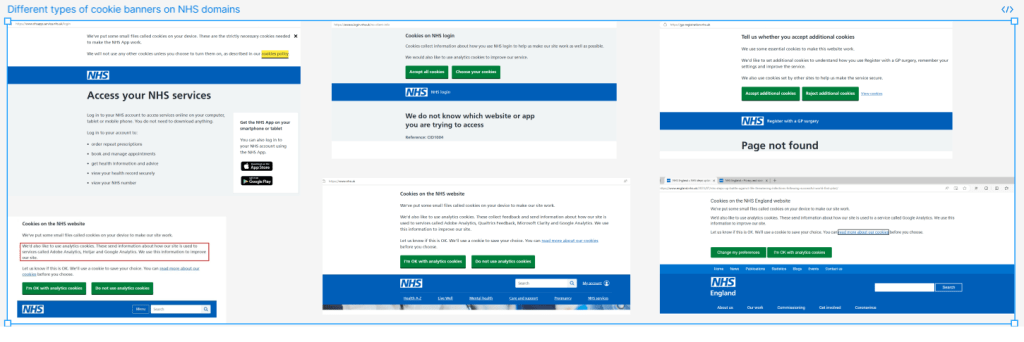
When you register for healthcare here it is very likely you will switch between domains during registration. Each time you switch you will encounter a new cookie banner, adding time and extra clicks to the registration process.
Situation:
We needed to reduce friction during NHS registration by unifying cookie banners and sharing consent between domains in plain language and ensuring compliance with all legal and privacy regulations.
Ways of working
I joined on short notice to cover for a colleague and was did not have access to NHS systems or staff:
- Able to participate in some meetings
- Unable to access Miro or Figma boards
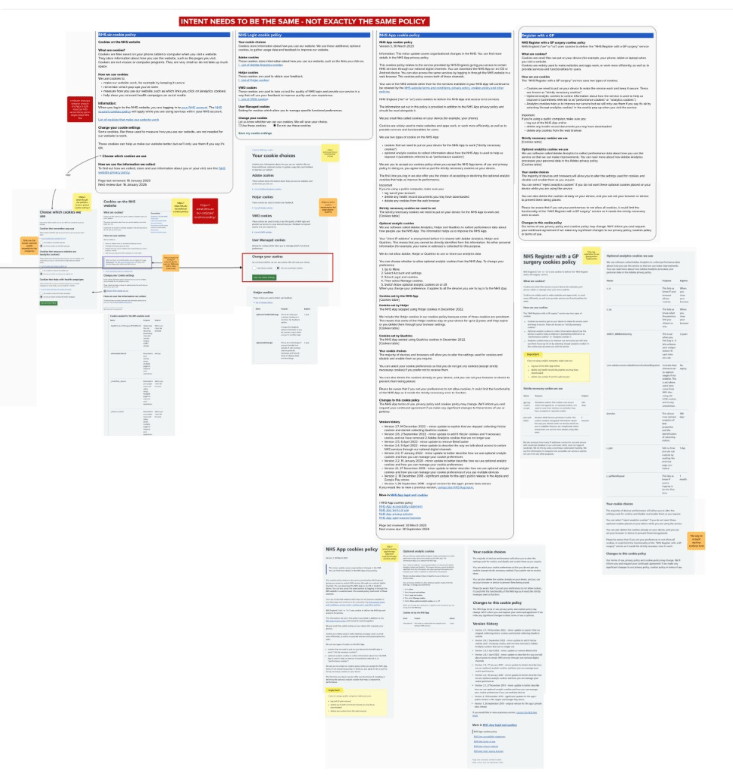
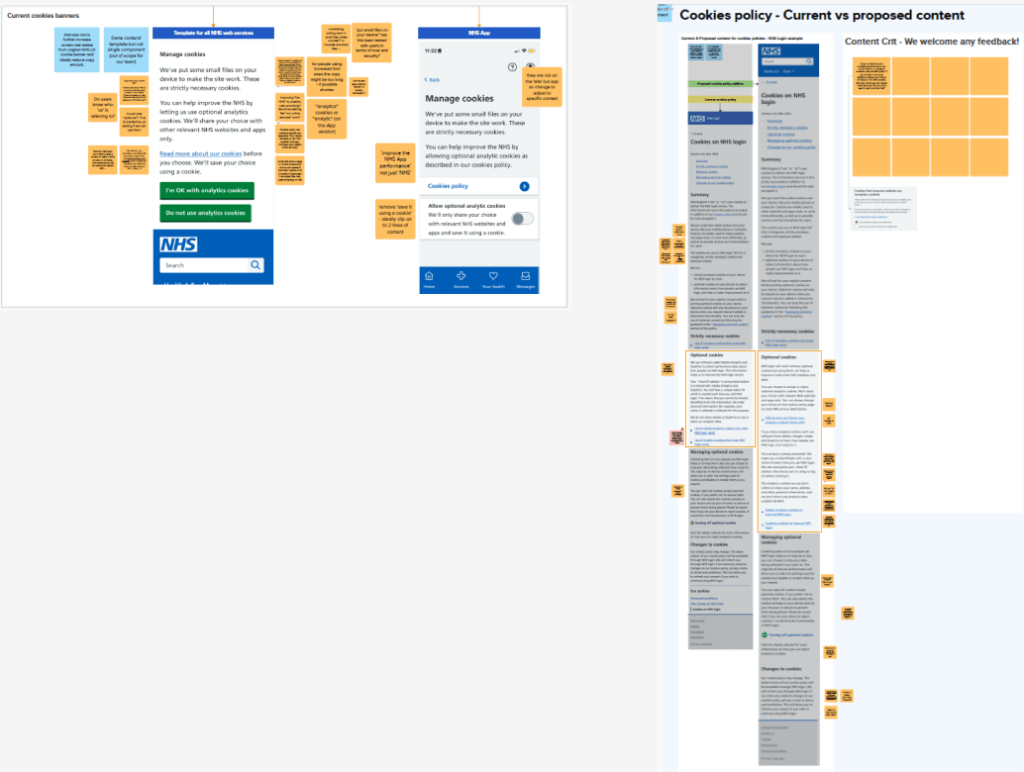
- Screens and notes were shared as PDF files, which I recreated in Miro with personal notations
- During crit, everyone on a call is strongly encouraged to hone their critical thinking skills. I expect people to poke holes where possible so we can do better. Decisions can be justified, defended or amended in favour of a better way forward
Task: Gather requirements without direct access to stakeholders
For this iteration we determined the domains we needed to cover to fulfil the task (scope) and establish a template for incorporating additional services in future. These domains were NHS UK, NHS Login, Register with a GP and NHS App.
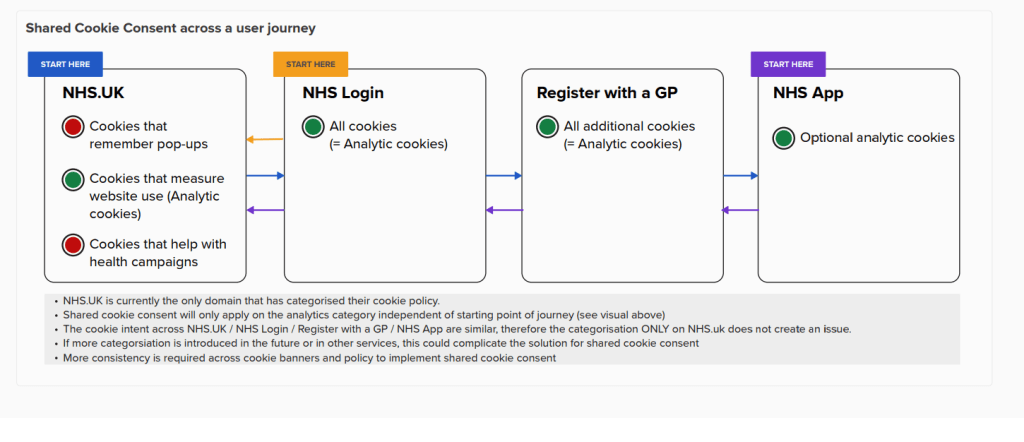
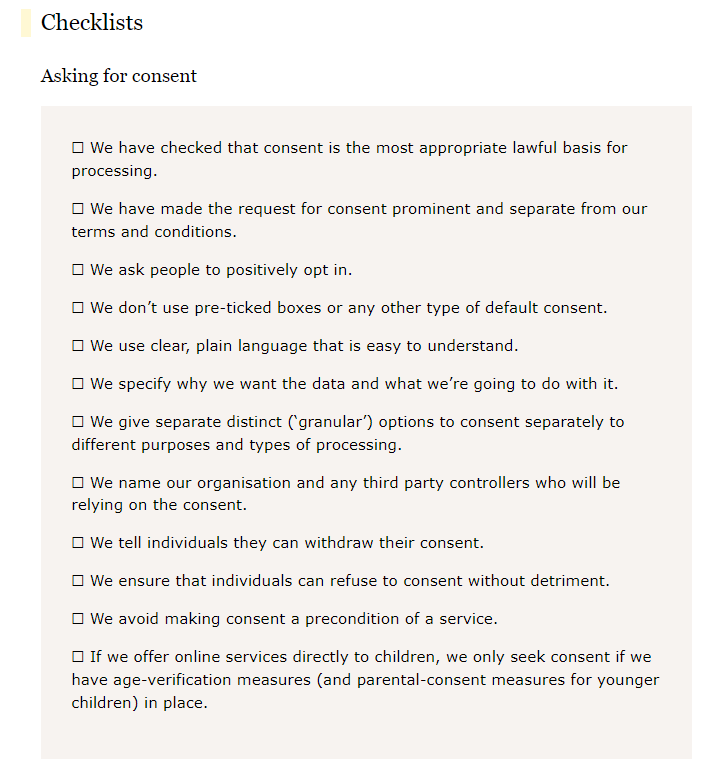
I collected the respective cookie banners and used the checklist from the Information Commissioner’s Office (ICO) to determine what we needed to cover to obtain informed consent.
Action: Create content with indirect access to information only
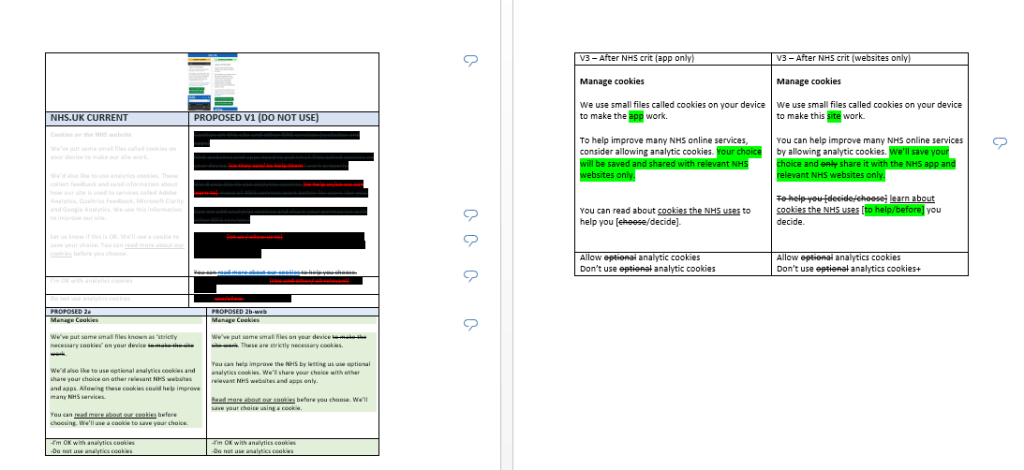
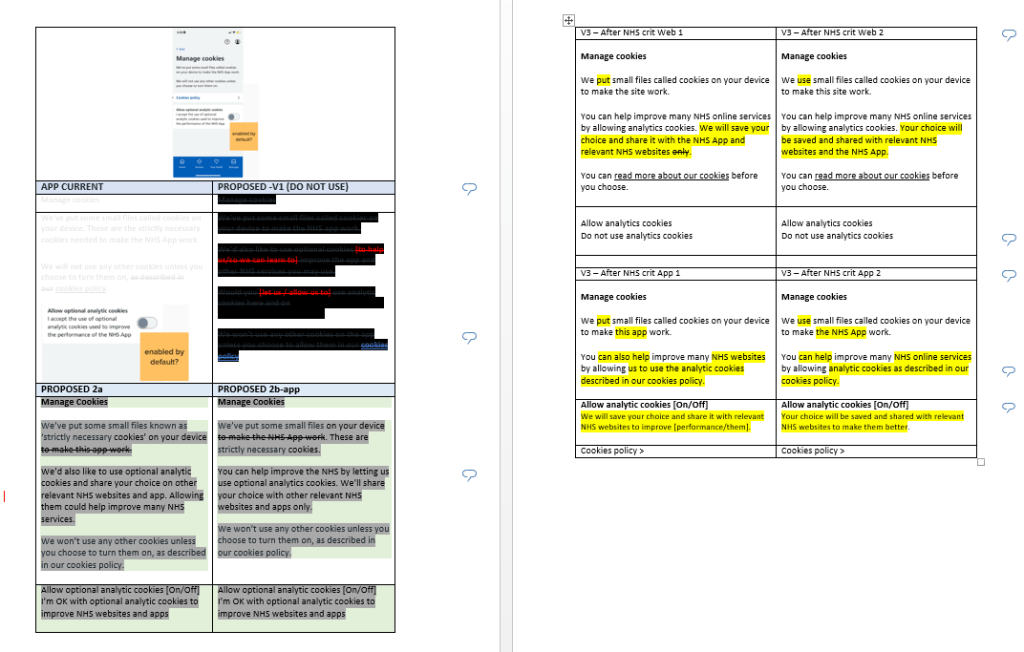
I now had sufficient context and information to design, plus regular check-ins with our NHS consulting team to refine the content. It took 3 iterations to settle on a finalised version we could present to NHS stakeholders, including their in-house content design team.
Result:
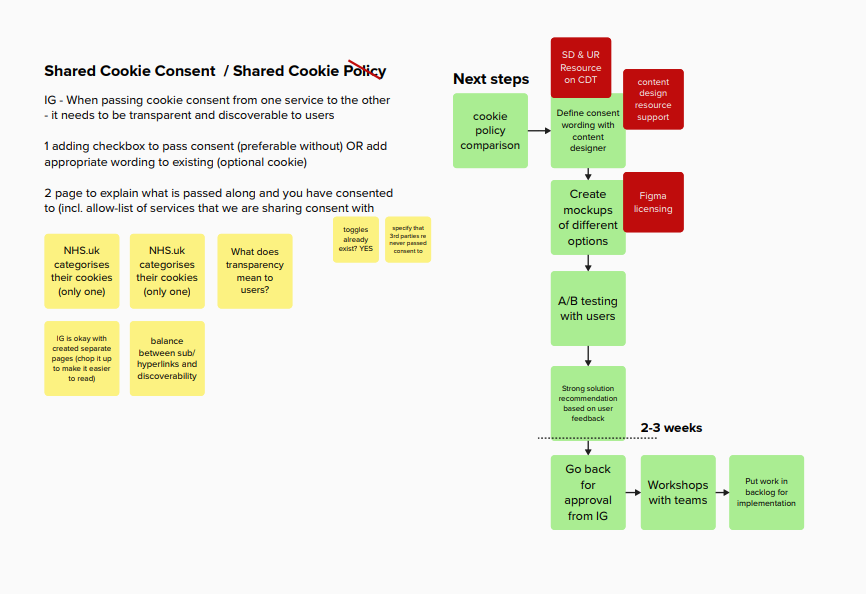
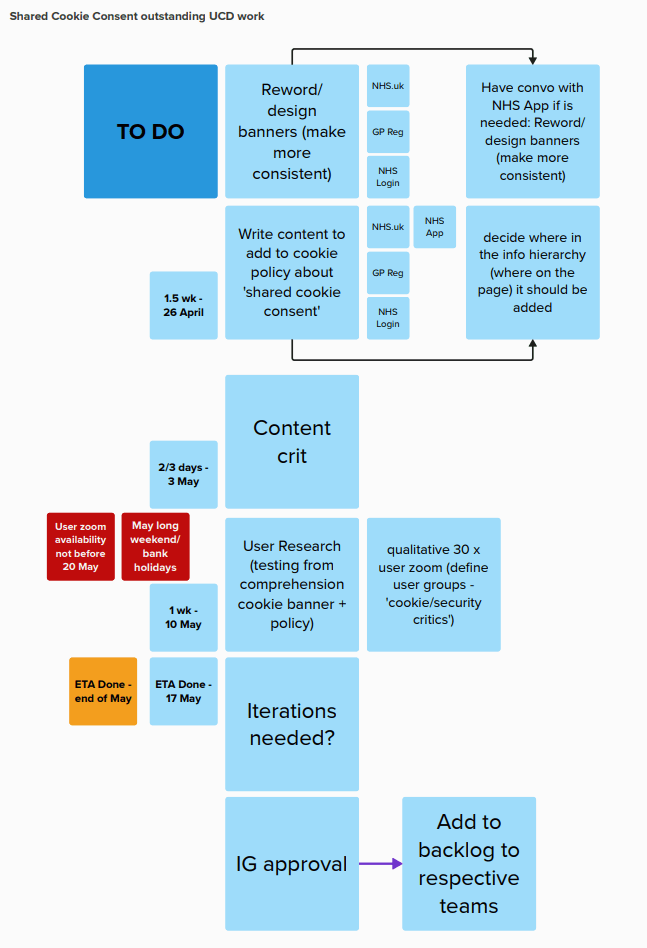
We created a prototype for the cookie banner and accompanying cookie policy and hosted a crit with NHS content designers. It resulted in minor changes but otherwise unanimous approval for both banner and policy recommendations. Both versions would be submitted to the NHS’ information governance (IG) process for ratification.
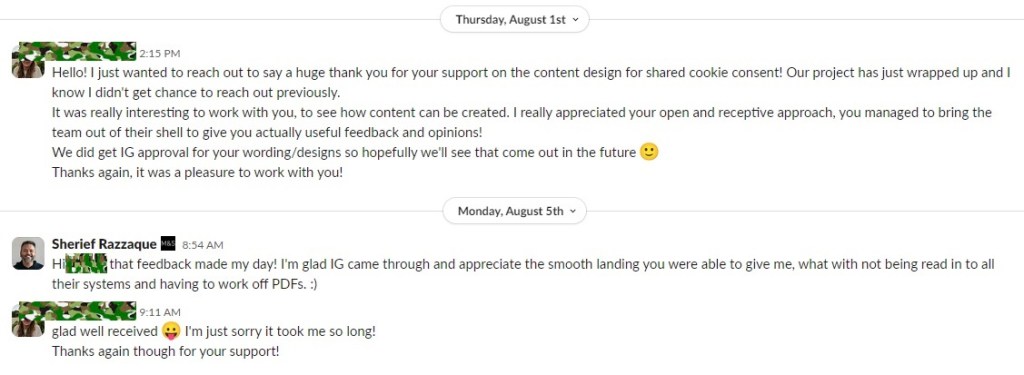
My involvement in the project ended at this point and I received the following informal notice of success two months later.
 Sherief Razzaque, uxwriter.work